
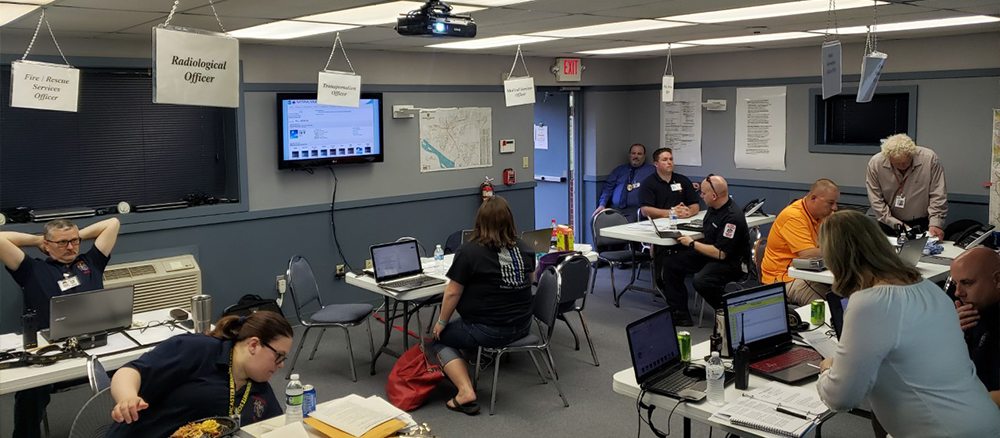
For more information on our training and planning, see the buttons for PEMA below.
How Can You Prepare For A Disaster?
Be Informed
The first step in preparing yourself is to be informed. In today’s world of technology, it is fairly easy to learn of an emergent situation. With social media and other forms of communication, you can easily learn what’s going on and what you should do next. The local radio and TV stations are also a great way to be informed, especially with weather-related events such as tornadoes or thunderstorms. You can also easily sign up for services alerting you of emergencies.
One example is AlertPA, which provides emergency and weather-related alerts, health notifications, building alerts, and other updates from the commonwealth and federal agencies. For more information on keeping informed, go to Ready PA—Be Informed.
Be Prepared
To better prepare yourself there are a couple of steps you can follow.
- Create a family emergency plan. When disaster strikes, you’ll want to know how to protect yourselves or what to do if the family is not together when it happens. The plan should include where your family will meet, how you will communicate, and emergency contact numbers. Also, remember to consider special needs such as children, pets, the elderly, and those with disabilities in your plan.
- Build an emergency kit. Depending on what kind, when, and how a disaster strikes, there won’t be time to go to a store to get supplies, or you may have to leave your home immediately. You should consider making a kit for your home, vehicle, and workplace with enough essential supplies to last three days. You can find more information and supply kit checklists at Ready PA—Build A Kit.
- Sign up for a CPR and/or First Aid class. If you are interested in taking one of these classes, feel free to contact us, and we will try to assist you with finding one.
For more information on being better prepared, visit Ready PA.